
Not All Rat Traps Are Created Equal
With modern pest control technology, homeowners and businesses are often presented with “smart” trapping systems that promise faster results and real-time alerts.
But do smart traps actually outperform traditional traps—or are they just more expensive?
Traditional Traps: The Basics
Traditional rat traps include:
- Snap traps
- Multi-catch traps
- Mechanical kill traps
Pros
- Cost-effective
- Proven technology
- Highly effective when placed correctly
Cons
- Require frequent manual checks
- No remote monitoring
- Missed captures can cause odor issues
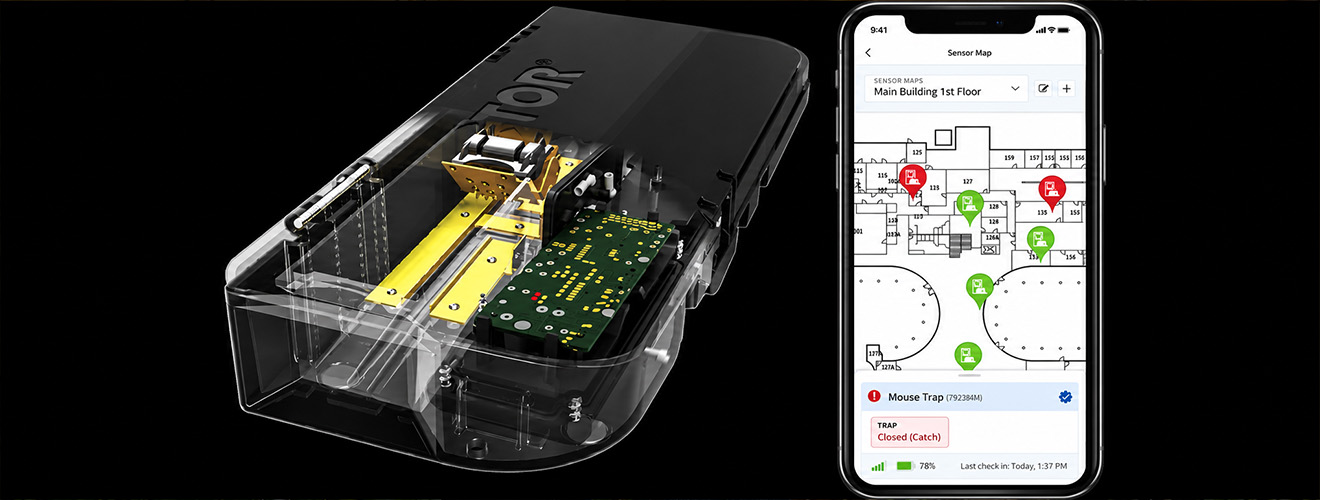
Smart Traps: How They Work
Smart traps use:
- Sensors to detect captures
- Remote alerts or dashboards
- Activity tracking
These systems are commonly used in:
- Restaurants
- Warehouses
- Retail centers
- High-compliance environments
Where Smart Traps Excel
Smart traps are most effective when:
- Monitoring large facilities
- Compliance documentation is required
- Immediate response is critical
- Labor efficiency matters
They are not a replacement for exclusion.
What Smart Traps Do Not Fix
Smart traps do not:
- Seal entry points
- Prevent reinfestation
- Replace structural repairs
Without rodent proofing, traps—smart or traditional—become permanent fixtures.
The Best Rat Control Strategy
The most effective rodent control combines:
- Structural exclusion
- Strategic trapping (smart or traditional)
- Monitoring and follow-up
Technology enhances control—but structure solves it.
Which Option Is Right for You?
- Homes: Traditional traps + full exclusion
- Restaurants: Monitoring traps + exclusion + documentation
- Warehouses: Smart traps + perimeter sealing
The right system depends on the environment.
Get a Professional Recommendation
Choosing the wrong method wastes time and money.
BeeCal Pest Management evaluates each property to determine the most effective rodent control strategy.