
Raccoons Can Do Serious Damage Around Rooflines and Attics
A raccoon problem may start with nighttime thumping, scratching, roof movement, damaged vents, disturbed trash, or noises above the ceiling. Because raccoons are strong climbers, they can access rooflines, chimneys, attic vents, soffits, and other elevated openings.
Raccoons may tear through weak materials, damage insulation, leave droppings, create odor, and use attic spaces for shelter. In some cases, a female raccoon may be caring for young inside the structure, which makes timing and humane removal especially important.
BeeCal Pest Management inspects the property carefully before recommending a plan. We look for entry points, tracks, droppings, damaged vents, roof access routes, and signs that young animals may be present. The goal is to remove the immediate problem without creating a worse situation inside the structure.
Do not seal an active opening until the raccoons are removed.
Complete Wildlife & Pest Solutions From BeeCal Pest Management
Raccoon activity often connects to roofline gaps, food sources, tree access, trash areas, and structural vulnerabilities. BeeCal provides humane wildlife and pest solutions designed to protect the full property.







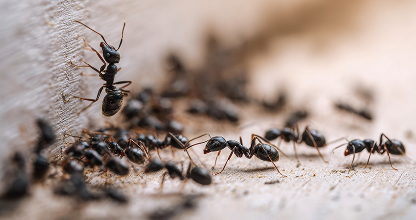

Local Raccoon Removal Serving Los Angeles County
Raccoons are common across Los Angeles County because they adapt well to neighborhoods, commercial areas, alleys, hillside communities, mature trees, parks, and properties with easy food access. Trash cans, pet food, fruit trees, compost, outdoor kitchens, water sources, and unsecured crawl spaces can all attract raccoons.
Unlike smaller pests, raccoons can cause noticeable damage quickly. They may pull at vents, lift loose materials, widen roofline gaps, enter chimneys, damage insulation, or create latrine areas. If they gain access to an attic or crawl space, the problem can become more complicated than simply removing one animal.
Raccoon control requires careful timing and inspection. If young raccoons are present, sealing the entry point too soon can trap animals inside and create odor, distress, or additional damage. That is why BeeCal approaches raccoon issues with a plan that considers the animal, the structure, and the safest path forward.
Our service may include inspection, humane removal recommendations, entry point identification, sanitation guidance, and exclusion recommendations. BeeCal helps homeowners and businesses understand how raccoons are using the property and what steps are needed to reduce future access.

Our Raccoon Control Process
Confirm Raccoon Activity
We review noises, sightings, damage, droppings, roof movement, trash disturbance, and timing of activity to confirm whether raccoons are likely involved.
Inspect Rooflines and Entry Points
BeeCal checks vents, soffits, chimneys, roof returns, fascia gaps, crawl spaces, decks, garage areas, and exterior access routes.
Check for Nesting or Young
Before exclusion, we look for signs that young raccoons may be present so animals are not trapped inside the structure.
Humane Removal Strategy
We recommend a safe removal plan based on the location, activity level, and property conditions.
Exclusion and Prevention
After removal, entry points should be secured and attractants reduced to help prevent another raccoon from moving in.
Why Homeowners Choose BeeCal
- Humane raccoon control and removal recommendations
- Roofline, attic, chimney, crawl space, and vent inspections
- Careful attention to possible nesting or young animals
- Help identifying trash, pet food, fruit, and exterior attractants
- Exclusion recommendations to protect the structure
- Service for homes, rentals, HOAs, and commercial properties
- Local experience with Southern California raccoon activity
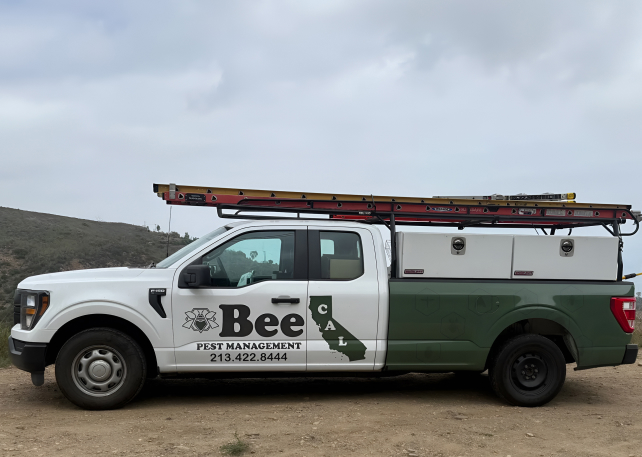
#1 Choice for Raccoon Control Across Los Angeles County
BeeCal Pest Management provides raccoon control throughout Pasadena and nearby Los Angeles County communities.
Frequently Asked Questions About Raccoons
How do raccoons get into attics?
Raccoons may enter through roof vents, soffit gaps, chimneys, damaged fascia, loose roofing materials, crawl space openings, or areas they can pull apart.
Why do I hear loud noises at night?
Raccoons are often active at night and may create heavy thumping, dragging, or scratching sounds when moving through attics or rooflines.
Can I seal the hole myself?
Do not seal an active opening until the animals are removed. Sealing too early can trap raccoons inside and create additional problems.
Are raccoons dangerous?
Raccoons should not be handled by homeowners. They can bite, scratch, carry parasites, and become defensive if cornered or protecting young.
What attracts raccoons?
Trash, pet food, fruit trees, compost, water sources, outdoor kitchens, accessible crawl spaces, and roofline openings can attract raccoons.
Do raccoons have babies in attics?
Yes. Female raccoons may use attics or sheltered spaces to raise young, which makes inspection and timing very important.
Will raccoons return after removal?
They may return if entry points and attractants are not addressed. Exclusion is a key part of long-term control.
Does BeeCal help with cleanup recommendations?
Yes. BeeCal can identify affected areas and recommend cleanup, sanitation, or repair steps based on what is found.
Stop Raccoons Before They Damage Your Home
Raccoons can create costly problems when they access rooflines, attics, chimneys, or crawl spaces. BeeCal Pest Management is ready to help with humane raccoon control throughout Pasadena and Los Angeles County.