
Bat Problems Require Careful Timing and the Right Approach
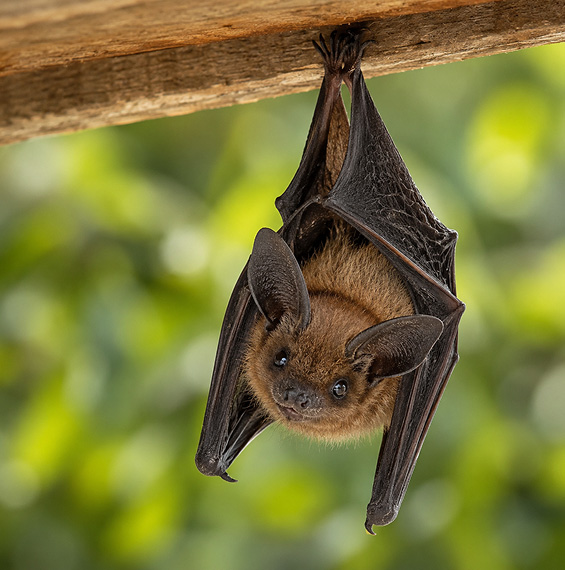
Bats are beneficial animals that help control insects, but they can create problems when they roost inside buildings. Bat activity may be noticed as fluttering sounds, droppings below an entry point, staining near vents or eaves, dusk flight activity, or odor from an attic or wall void.
Bat control is different from many other wildlife services because timing matters. Bats should not simply be trapped or sealed inside. Exclusion must be handled carefully so bats can leave safely and do not become trapped in the structure.
BeeCal Pest Management focuses on inspection, identification, and exclusion recommendations. We look for roosting locations, entry gaps, droppings, staining, and flight patterns to determine the best way to address the issue responsibly.
Do not seal bat entry points until the situation has been inspected.
Complete Wildlife & Pest Solutions From BeeCal Pest Management
Bat concerns are often connected to roofline gaps, vents, attics, chimneys, and exterior openings. BeeCal provides wildlife and pest services that help protect structures while respecting the role animals play in the environment.


Bat Control
Responsible bat inspection and exclusion guidance for attics, rooflines, vents, eaves, chimneys, and structures.










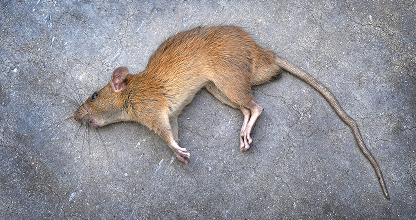



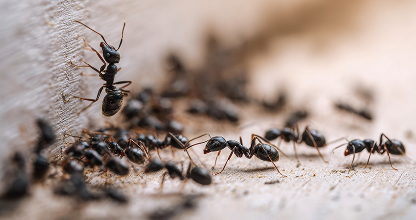

Local Bat Control Serving Los Angeles County
Bats may be found around Los Angeles County properties where there are roofline openings, attic vents, gaps under tiles, chimneys, eaves, and sheltered exterior spaces. While bats are important for the ecosystem, a roost inside a home or business can create concerns involving droppings, odor, staining, noise, and sanitation.
Many bat issues are first noticed at dusk when bats exit a structure to feed. Homeowners may also see dark staining near an opening, droppings below a roosting area, or hear movement in the attic. Because bats can enter through small gaps, the access point may not be obvious.
A responsible bat control plan should focus on inspection and exclusion, not careless removal. Sealing openings without understanding the colony can trap bats inside and create additional problems. Timing may also matter depending on the season and whether young bats are present.
BeeCal Pest Management provides bat inspection and control guidance designed to help protect the property while treating the situation responsibly. We identify likely entry points, evaluate roosting areas, and recommend exclusion steps that allow bats to leave safely before openings are sealed.

Our Bat Control Process
Review Signs of Bat Activity
We ask about dusk flight activity, droppings, staining, noises, odors, and where bats have been seen entering or exiting.
Inspect Roosting and Entry Areas
BeeCal checks rooflines, vents, eaves, chimneys, attic openings, gaps under tiles, and exterior seams where bats may enter.
Evaluate Timing and Safety
We determine whether exclusion is appropriate and whether timing concerns may affect the best approach.
Exclusion Recommendation
The goal is to allow bats to exit safely and prevent re-entry through proper exclusion methods.
Cleanup and Prevention Guidance
We recommend sealing, sanitation, and prevention steps based on droppings, odor, staining, and structural conditions.
Why Homeowners Choose BeeCal
- Responsible bat inspection and exclusion guidance
- Focus on safe exit and prevention instead of careless sealing
- Inspection of rooflines, vents, eaves, chimneys, and attic openings
- Help identifying droppings, staining, odor, and flight patterns
- Service for homes, businesses, HOAs, and rental properties
- Respect for bats as beneficial wildlife
- Local experience with Southern California structure-related bat concerns
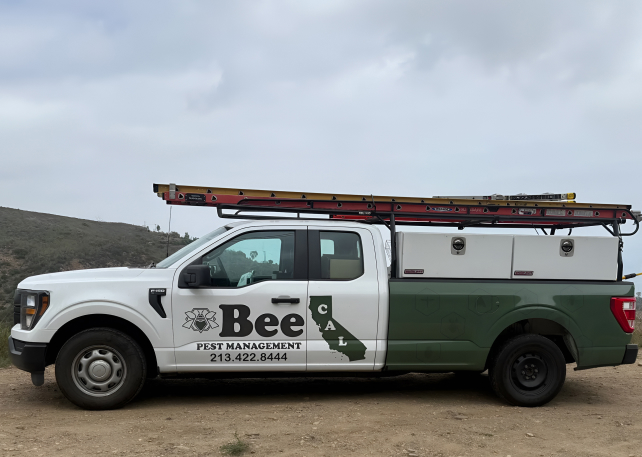
#1 Choice for Bat Control Across Los Angeles County
BeeCal Pest Management provides bat control guidance and exclusion-focused service throughout Pasadena and nearby Los Angeles County communities.
Frequently Asked Questions About Bats
Are bats beneficial?
Yes. Bats play an important role in controlling insects, but they can still create problems when they roost inside homes or businesses.
How do bats get into structures?
Bats can enter through small gaps around rooflines, vents, chimneys, eaves, attic openings, and under roof tiles.
What are signs of bat activity?
Droppings, staining near openings, dusk flight activity, scratching or fluttering sounds, and odor may indicate bat activity.
Can I seal the opening myself?
Do not seal a bat entry point until the activity is inspected. Sealing too early can trap bats inside.
Do bats live in attics?
Yes. Bats may roost in attics, wall voids, roof gaps, chimneys, and other sheltered structural areas.
Is bat control different from other wildlife removal?
Yes. Bat control often relies on exclusion and careful timing rather than trapping or standard removal.
What happens after bats leave?
Openings should be sealed, and affected areas may need cleanup or sanitation depending on droppings and odor.
Does BeeCal handle bat issues responsibly?
BeeCal focuses on responsible bat inspection, exclusion guidance, and prevention to protect both the structure and the animals.
Handle Bat Activity the Responsible Way
Bats should be handled carefully, especially when they are using attics, vents, rooflines, or structural openings. BeeCal Pest Management is ready to help with bat inspection and exclusion guidance throughout Pasadena and Los Angeles County.