
Strong Odor May Be the First Sign of a Hidden Problem
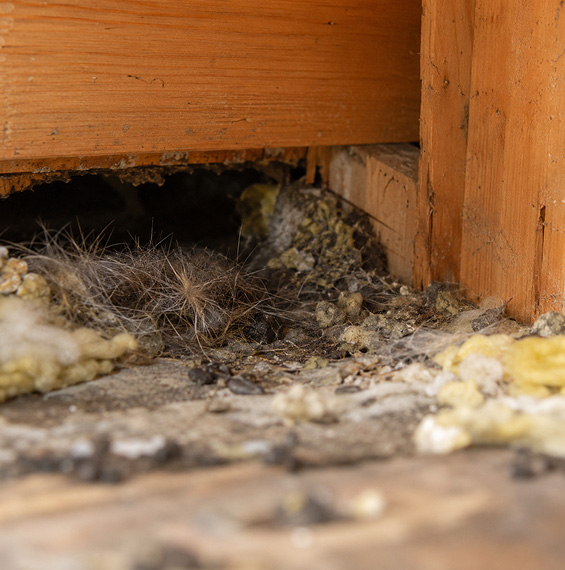
Dead animal problems are often discovered because of a smell that gets worse over time. The source may be in an attic, crawl space, wall void, garage, yard, under a deck, inside a vent area, or another hidden location. Flies, maggots, stains, or unusual pet behavior may also point toward the source.
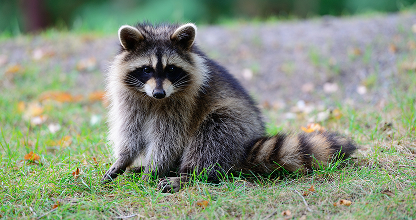
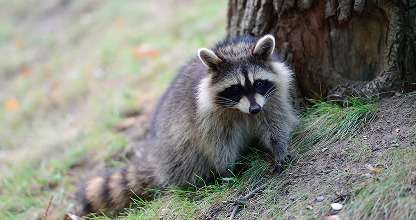
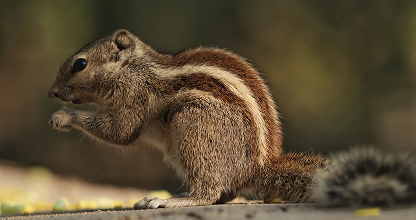
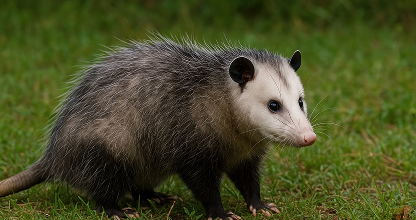
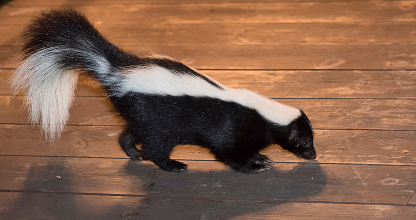
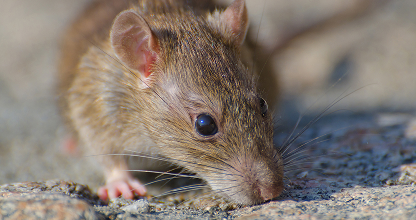
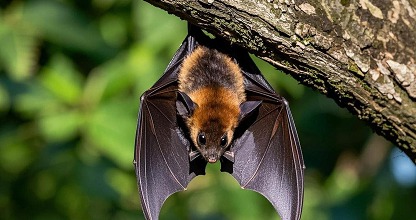
Common dead animal situations may involve rodents, squirrels, raccoons, opossums, skunks, birds, or other wildlife. The challenge is not just removal. Once the animal is removed, the area may still need deodorizing, sanitation recommendations, exclusion, or pest prevention depending on the location.
BeeCal Pest Management works to locate the likely source, access the area when possible, remove the animal, and help customers understand what should happen next.
Odor, flies, and stains may continue until the source is found and removed.
Complete Wildlife & Pest Solutions From BeeCal Pest Management
Dead animal removal is often connected to a larger pest or wildlife issue. BeeCal provides wildlife, rodent, and pest control services to help resolve the current odor problem and reduce the chance of repeat activity.

Dead Animal Removal
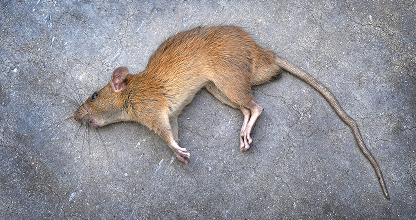
Removal of dead animals causing odor, flies, sanitation concerns, and secondary pest activity.








Local Dead Animal Removal Serving Los Angeles County
Dead animal odor can be one of the most unpleasant problems a homeowner or business can face. The smell may start mildly, become stronger, and move through vents, walls, crawl spaces, attics, or rooms depending on where the animal is located.
In Los Angeles County, dead animal issues may happen after rodent activity, wildlife nesting, animals entering crawl spaces, trapped animals in walls, or outdoor animals dying near the property. Sometimes the odor is easy to trace. Other times, the source may be hidden behind a wall, under insulation, inside a crawl space, or in a difficult-to-access area.
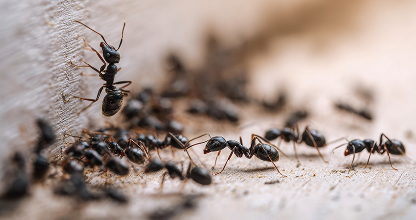
Removal is important because the animal can attract flies, maggots, beetles, cockroaches, ants, rodents, and other secondary pests. Depending on the location, there may also be staining, fluid, nesting material, droppings, or contamination that needs to be addressed.
BeeCal Pest Management helps locate and remove dead animals when accessible and provides recommendations for deodorizing, sanitation, exclusion, and prevention. If the animal entered through a gap or access point, that opening should be addressed to reduce the chance of another animal getting inside.

Our Dead Animal Removal Process
Identify the Odor Area
We ask where the odor is strongest, when it started, whether flies are present, and whether there has been recent rodent or wildlife activity.
Locate the Source
BeeCal checks accessible areas such as attics, crawl spaces, garages, yards, decks, wall access points, vents, and exterior spaces.
Remove the Animal When Accessible
If the animal can be safely accessed, our team removes it from the property and helps reduce the immediate source of odor and pest attraction.
Review Sanitation and Deodorizing Needs
Depending on the location, the area may need deodorizing, cleanup, insulation review, or sanitation recommendations.
Identify How the Animal Got In
We look for access points, rodent activity, wildlife openings, or exterior conditions that may have allowed the animal into the structure.
Why Homeowners Choose BeeCal
- Help locating dead animal odor sources
- Removal from accessible attics, crawl spaces, garages, yards, decks, and exterior areas
- Support for odor, flies, maggots, and secondary pest concerns
- Connection to rodent and wildlife prevention when needed
- Exclusion recommendations to reduce repeat animal entry
- Service for homes, rentals, businesses, HOAs, and commercial properties
- Local experience with Southern California wildlife and rodent issues
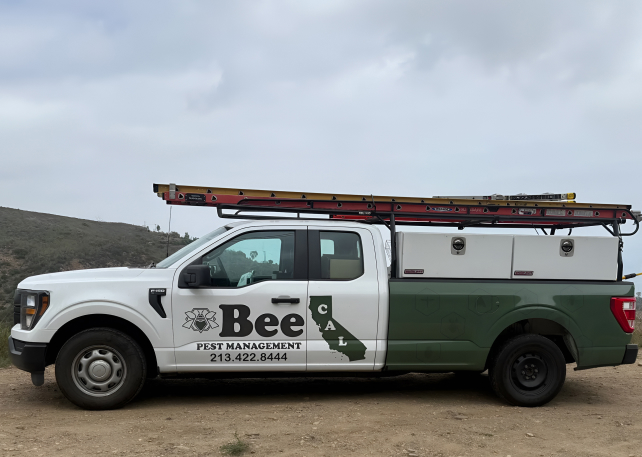
#1 Choice for Dead Animal Removal Across Los Angeles County
BeeCal Pest Management provides dead animal removal services throughout Pasadena and nearby Los Angeles County communities.
Frequently Asked Questions About Dead Animal Removal
What does dead animal odor smell like?
Dead animal odor is often strong, sour, musty, or decaying. It may worsen with heat and may be strongest near walls, vents, crawl spaces, or attics.
Where do dead animals usually get found?
Common locations include attics, crawl spaces, wall voids, garages, under decks, yards, vents, sheds, and exterior spaces near the structure.
Can a dead animal attract pests?
Yes. Dead animals can attract flies, maggots, beetles, ants, cockroaches, rodents, and other scavenging pests.
How long does the odor last?
The timeline depends on the size of the animal, location, temperature, airflow, and whether the source is removed.
Can BeeCal find the source of the smell?
BeeCal can inspect accessible areas and help locate the likely source. Some hidden wall void situations may require additional access steps.
Do I need cleanup after removal?
Depending on the location, deodorizing, sanitation, insulation review, or cleanup may be recommended.
How did the animal get inside?
Animals may enter through vents, crawl space gaps, garage openings, roofline gaps, wall openings, or rodent access points.
Can this happen again?
Yes, if entry points remain open. Exclusion and prevention steps help reduce future animal entry.
Remove the Source of the Odor
A dead animal can create odor, flies, sanitation concerns, and secondary pest problems. BeeCal Pest Management is ready to help with dead animal removal throughout Pasadena and Los Angeles County.