

Food Facilities Need Pest Control That Holds Up Under Scrutiny
In a food processing or manufacturing environment, a pest issue can affect more than one room or one production shift. Rodents, cockroaches, flies, ants, stored product pests, birds, and occasional invaders can create concerns around product integrity, audit requirements, sanitation, documentation, employee safety, and customer confidence.
Food facilities often have complex pest risk points. Raw materials, finished goods, packaging, floor drains, overhead doors, loading docks, pallets, break rooms, compactor areas, ingredient storage, maintenance rooms, and exterior perimeters all need attention. A pest control program must account for how materials move through the facility, where moisture builds up, where waste is handled, and where pests may enter unnoticed.
BeeCal Pest Management builds food processing pest control programs around prevention, monitoring, and communication. We inspect high-risk zones, track activity, document findings, identify corrective actions, and support the facility team with recommendations that help reduce pest risk over time.
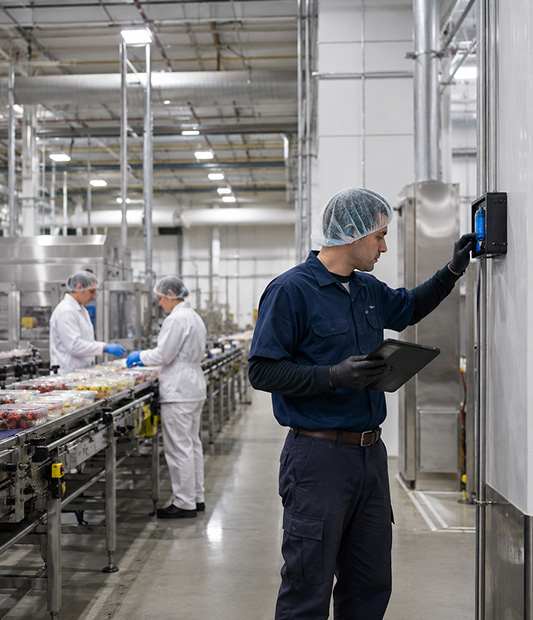
Ask about recurring service programs designed for documentation, monitoring, and audit preparation.
Pest Management Solutions for Food Production Environments
Food processing and manufacturing facilities require a different level of pest management than standard commercial properties. BeeCal Pest Management provides service programs designed to support cleaner operations, better documentation, and proactive pest prevention across critical areas of the facility.
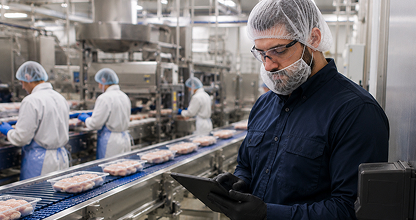

Food Processing Pest Control
Integrated pest management for food plants, production floors, storage zones, receiving areas, waste areas, and packaging spaces.


Rodent Monitoring & Control
Interior and exterior rodent monitoring strategies, station placement, activity checks, trend review, and entry point recommendations.


Stored Product Pest Support
Inspection and recommendations for pests associated with grains, dry goods, ingredients, packaging, storage rooms, and product handling areas.
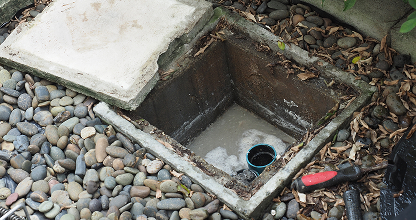

Fly & Drain Management
Support for drain flies, house flies, organic buildup, moisture, floor drains, waste handling, and sanitation-related pest concerns.
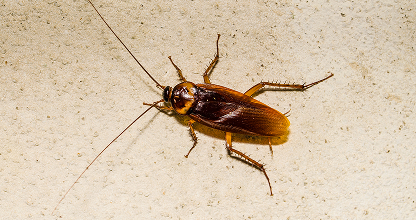

Cockroach Control
Targeted service for cockroach activity around equipment, drains, wall voids, break rooms, kitchens, maintenance areas, and moisture zones.

Exterior Perimeter Protection
Inspection and treatment support around dock doors, exterior walls, utility penetrations, trash areas, vegetation, and building gaps.


Bird & Pigeon Support
Help with bird activity around rooflines, dock areas, ledges, signage, and exterior facility spaces where droppings create concerns.


Documentation & Service Reporting
Clear service notes, findings, monitoring details, corrective recommendations, and communication for managers and facility teams.
Food Processing Pest Control Serving Los Angeles County
Food processing and manufacturing facilities in Los Angeles County operate in a demanding environment. Facilities may handle raw ingredients, packaged goods, dry storage, refrigerated areas, equipment lines, pallets, drains, waste streams, and frequent deliveries. Each of those areas can create a different kind of pest risk.
Rodents may enter through dock doors, door gaps, utility openings, damaged sweeps, wall penetrations, or exterior vegetation. Cockroaches and flies may be connected to moisture, organic buildup, drains, break rooms, compactor areas, or sanitation gaps. Stored product pests may be associated with dry goods, grains, ingredients, packaging, long-term storage, or product movement. Birds and pigeons may create problems around loading areas, rooflines, exterior ledges, and receiving zones.
A strong food facility pest program should be built around zones, not just pests. Receiving areas need attention because materials and pests can enter from the outside. Production areas need careful monitoring because they involve product, equipment, moisture, and sanitation schedules. Storage zones need review because pests may remain hidden behind pallets, racks, packaging, or inventory. Exterior areas matter because rodent and insect pressure often begins outside the building.
BeeCal Pest Management uses an Integrated Pest Management approach for food processing and manufacturing clients. That means our service focuses on inspection, prevention, monitoring, documentation, exclusion, sanitation recommendations, and targeted treatment when necessary. The objective is not simply to respond when pests appear. The objective is to help the facility reduce pest risk before it affects production, inspections, audits, or customer requirements.
Documentation is also a major part of the program. Facility managers need to know what was inspected, what activity was found, what corrective actions are recommended, and what needs follow-up. BeeCal can provide clear service communication that helps support internal teams, quality assurance, maintenance, sanitation, and management.
Whether your facility produces packaged foods, dry goods, baked products, beverages, ingredients, specialty food items, or other manufactured products, BeeCal can help create a pest management program that fits the layout, risk level, and operational needs of the site.
Key Areas We Monitor in Food Processing Facilities

Receiving & Loading Docks
Dock doors, roll-up doors, pallets, trailers, floor gaps, and delivery areas are some of the most important pest entry points in a food facility. BeeCal inspects these areas for rodent access, insect activity, damaged seals, debris, and conditions that may allow pests to move inside.
Production &
Packaging Areas
Production spaces require careful attention because pest activity can create serious operational concerns. We look at equipment edges, wall-floor junctions, moisture points, floor drains, packaging areas, and sanitation-sensitive zones where activity should be detected early.
Ingredient & Dry
Storage Rooms
Stored product pests, rodents, and insects can hide in storage rooms, behind racks, under pallets, inside damaged packaging, or near long-held inventory. BeeCal helps identify risk conditions that may affect dry goods, ingredients, packaging, and finished products.
Waste, Compactor
& Trash Areas
Trash and waste areas can attract rodents, flies, cockroaches, ants, birds, and wildlife. These areas often require ongoing monitoring, sanitation recommendations, and exterior maintenance attention.
Employee Break Rooms
& Office Areas
Food brought in by employees, vending areas, sinks, trash cans, lockers, and staff spaces can create pest activity even when the production floor is well maintained. These spaces should be part of the overall pest management plan.
Exterior Perimeter
& Landscaping
The outside of the facility is the first line of defense. BeeCal inspects vegetation, building gaps, utility lines, door sweeps, drainage, exterior lighting, roofline conditions, and other areas that may support pest activity before it moves indoors.
Our Food Facility Pest Management Process
Facility Walkthrough & Risk Review
BeeCal starts by learning how the facility operates. We review production areas, receiving schedules, storage zones, waste handling, sensitive spaces, compliance expectations, and known pest history.
Zone-Based Inspection
We inspect the facility by zone, including exterior perimeter, receiving, storage, production, packaging, employee areas, drains, waste areas, maintenance rooms, and utility access points.
Monitoring Program Setup
Based on the facility layout, BeeCal recommends a monitoring strategy for rodents, insects, flies, and other pest concerns. Monitoring locations are selected to support early detection and trend tracking.
Targeted Treatment & Corrective Actions
When treatment is needed, we focus on targeted service in appropriate areas. We also provide corrective recommendations related to exclusion, sanitation, storage, moisture, door seals, debris, and facility maintenance.
Documentation, Trend Review & Ongoing Support
Recurring service includes communication, service notes, pest findings, monitoring updates, and follow-up recommendations that support facility management, sanitation teams, maintenance staff, and audit readiness.
Why Food Facilities Choose BeeCal
BeeCal Pest Management provides food processing pest control with a focus on prevention, documentation, communication, and responsible treatment. We understand that food facilities need more than basic pest service. They need a program that supports daily operations, internal standards, customer expectations, and inspection readiness.
- Integrated Pest Management programs for food processing and manufacturing facilities
- Rodent monitoring and exclusion recommendations for interior and exterior risk areas
- Support for stored product pests, cockroaches, flies, ants, birds, and occasional invaders
- Inspection of loading docks, receiving areas, drains, production zones, storage rooms, and waste areas
- Corrective action recommendations for sanitation, maintenance, moisture, storage, and entry points
- Service notes and documentation to support facility teams and audit preparation
- Eco-conscious treatment options whenever possible
- Scheduling options designed around production, sanitation, and facility access needs
Food Processing Pest Control Across Los Angeles County
BeeCal Pest Management provides pest control for food processing, food manufacturing, packaging, storage, and production facilities throughout Pasadena, Los Angeles County, and nearby Southern California communities.
Surrounding Southern California communities
Frequently Asked Questions About Food Processing Pest Control
What makes pest control different for food processing facilities?
Food processing pest control requires stronger prevention, documentation, monitoring, corrective recommendations, and facility awareness. The program must account for production areas, storage zones, receiving, waste handling, sanitation, and audit expectations.
What pests are most common in food manufacturing facilities?
Common concerns include rodents, cockroaches, flies, ants, stored product pests, birds, occasional invaders, and pests connected to drains, waste areas, exterior doors, and stored materials.
Can BeeCal help with audit preparation?
BeeCal can support audit readiness through consistent service, pest monitoring, service documentation, activity notes, trend observations, and corrective action recommendations for facility managers.
Do food facilities need rodent monitoring?
Yes. Rodent monitoring is an important part of many food processing pest management programs because rodents may enter through dock doors, door gaps, utility openings, wall penetrations, exterior vegetation, and loading areas.
What are stored product pests?
Stored product pests are insects that may infest or damage dry goods, grains, ingredients, packaging, or stored materials. They may be found in storage rooms, production areas, pallets, racks, or long-held inventory.
How does sanitation affect pest control?
Sanitation plays a major role. Food debris, moisture, organic buildup, trash, drains, residue around equipment, and clutter can all support pest activity. BeeCal provides recommendations when sanitation conditions are contributing to pest risk.
Can service be scheduled around production hours?
Yes. BeeCal can discuss scheduling options based on facility access, production needs, sanitation windows, sensitive areas, and operational requirements.
Does BeeCal only treat when pests are visible?
No. The goal is prevention. BeeCal uses inspection, monitoring, trend review, exclusion recommendations, sanitation guidance, and targeted treatment to help reduce risk before pest activity becomes visible.
Protect Your Food Facility With a Smarter Pest Management Program
Food processing and manufacturing facilities need pest control that supports product protection, documentation, sanitation, and audit readiness. BeeCal Pest Management is ready to help with prevention-focused commercial pest control throughout Pasadena, Los Angeles County, and surrounding Southern California communities.