
Opossums Often Follow Shelter, Food, and Easy Access
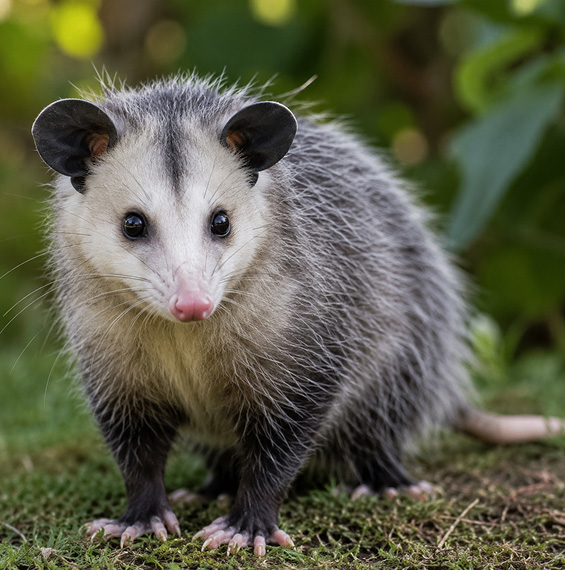
Unlike raccoons or squirrels, opossums are less likely to tear into a roofline, but they can still create problems around homes and businesses. They may shelter under decks, in crawl spaces, beneath sheds, inside garages, or in quiet protected areas with easy access.
Opossums are often attracted by pet food, fallen fruit, trash, compost, water sources, insects, and open shelter areas. Because they are active at night, you may only notice them on cameras, near trash cans, under a deck, or crossing the yard after dark.
BeeCal Pest Management focuses on humane control, attractant reduction, and access prevention. We inspect likely shelter areas, look for openings, identify food sources, and recommend practical steps that help make the property less inviting.
Remove pet food and secure trash to help reduce activity.
Complete Wildlife & Pest Solutions From BeeCal Pest Management
Opossum problems are often connected to food sources and shelter opportunities around the ground level of a property. BeeCal provides humane wildlife solutions and pest control services that address the whole property.
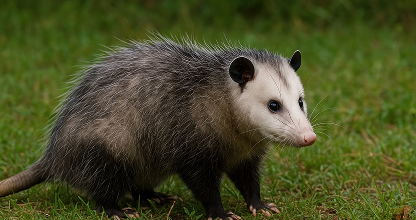

Opossum Control
Humane opossum control for crawl spaces, decks, sheds, garages, trash areas, pet food, and yard activity.


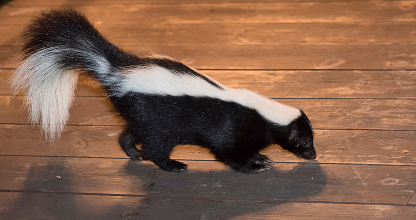




Local Opossum Control Serving Los Angeles County
Opossums are common across Los Angeles County and often move through neighborhoods at night looking for food, water, and shelter. They may visit a property occasionally, but they can become a recurring issue when conditions are favorable.
Common attractants include pet food left outside, unsecured trash, fruit trees, compost, accessible crawl spaces, open sheds, water bowls, bird seed, and insects. Opossums may also use spaces under decks or buildings as temporary shelter.
Because opossums are generally opportunistic, the control strategy is often different from animals that aggressively damage entry points. BeeCal looks at why the opossum is returning and what can be changed. This may include securing crawl space openings, closing access under structures, removing food sources, and reducing shelter opportunities.
If an opossum is living under a deck, in a crawl space, or near a business entrance, BeeCal can recommend humane removal and prevention steps based on the property.

Our Opossum Control Process
Confirm Activity
We ask about sightings, camera footage, nighttime activity, odor, trash disturbance, pet food, and where the opossum has been seen.
Inspect Shelter Areas
BeeCal checks decks, crawl spaces, sheds, garages, fence lines, trash areas, and shaded outdoor spaces where opossums may shelter.
Identify Attractants
We look for pet food, fruit, trash, compost, water, insects, and open access points that may be drawing opossums to the property.
Humane Control Plan
We recommend a humane solution based on where the animal is sheltering and how often activity is occurring.
Prevention and Access Reduction
We provide recommendations for sealing openings, securing trash, changing feeding habits, and reducing shelter opportunities.
Why Homeowners Choose BeeCal
- Humane opossum control and prevention recommendations
- Inspection of crawl spaces, decks, sheds, garages, and trash areas
- Help identifying food sources and shelter conditions
- Practical prevention focused on ground-level access
- Service for homes, rental properties, HOAs, and businesses
- Clear explanation of what is attracting activity
- Local experience with Southern California opossum concerns
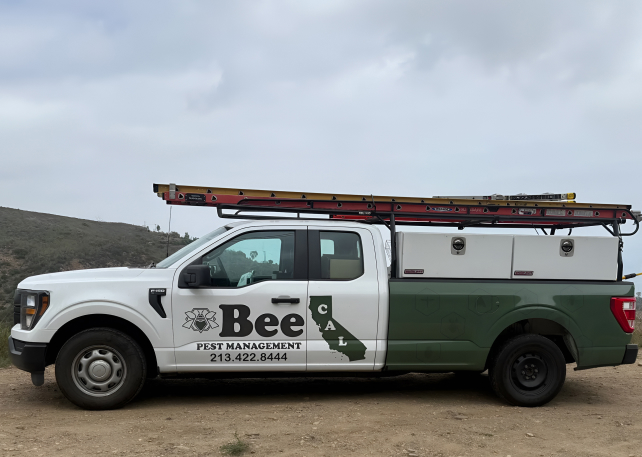
#1 Choice for Opossum Control Across Los Angeles County
BeeCal Pest Management provides opossum control throughout Pasadena and nearby Los Angeles County communities.
Frequently Asked Questions About Opossums
Are opossums dangerous?
Opossums should not be handled, but they are often more defensive than aggressive. They may hiss, show teeth, or play dead when frightened.
Why is an opossum coming to my yard?
Food, water, pet food, fallen fruit, trash, compost, insects, and shelter under structures can attract opossums.
Do opossums live under decks?
Yes. Opossums may shelter under decks, sheds, crawl spaces, porches, and other protected ground-level areas.
Are opossums active during the day?
They are typically nocturnal. Daytime sightings can happen, but frequent daytime activity may warrant closer attention.
Should I feed an opossum?
No. Feeding wildlife can encourage repeat activity and may attract other animals.
Can opossums cause odor?
Yes. Odor may occur if an animal is sheltering nearby, if waste accumulates, or if a dead animal is present.
How do you prevent opossums from returning?
Prevention may include sealing access, securing trash, removing food sources, and reducing shelter opportunities.
Does BeeCal remove opossums humanely?
BeeCal focuses on humane wildlife control whenever possible and recommends solutions based on the property and situation.
Keep Opossums Out of Crawl Spaces, Decks, and Yards
Opossum activity is usually connected to food, shelter, and easy access. BeeCal Pest Management is ready to help with humane opossum control throughout Pasadena and Los Angeles County.