
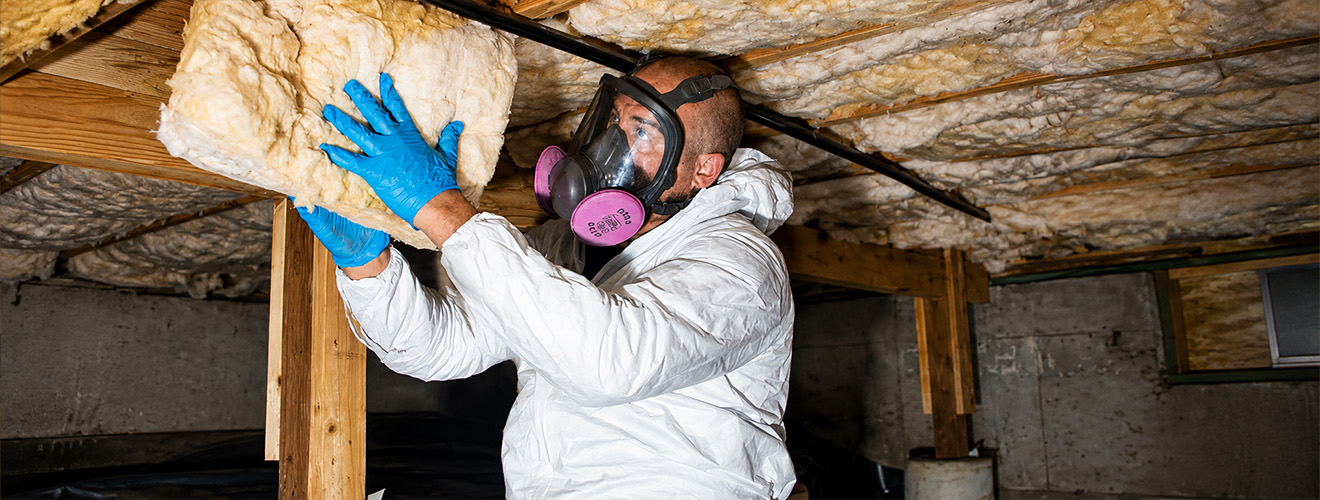
Crawlspaces Are One of the Most Overlooked Rodent Entry Areas
Crawlspaces provide:
- Shelter
- Warmth
- Hidden access to wall voids and attics
In Southern California homes, crawlspaces are often under-protected, making them a primary access route for rats.
How Rats Access Crawlspaces
Rats typically enter crawlspaces through:
- Burrows in soil near the foundation
- Gaps where plumbing enters the structure
- Damaged or missing crawlspace vent screens
- Improperly sealed crawl doors
- Cracked or settling foundations
Once inside, rats can access nearly the entire structure.
Signs of Rats in Crawlspaces
Common indicators include:
- Droppings along sill plates
- Burrow openings beneath the foundation
- Chewed insulation or ducting
- Strong ammonia-like odors
- Secondary pests such as mites or fleas
Many homeowners never enter their crawlspace—allowing infestations to persist unnoticed.
Why Crawlspace Infestations Escalate Quickly
Crawlspaces allow rats to:
- Nest undisturbed
- Breed year-round
- Travel upward into kitchens and attics
Trapping inside living spaces without addressing crawlspace access is ineffective.
Proper Crawlspace Rat Control Effective control requires:
- Exterior inspection for burrows and gaps
- Sealing foundation-to-structure access points
- Screening vents with chew-resistant materials
- Repairing or replacing crawlspace doors
- Trapping active rodents when necessary
Each step reinforces the others.
Why DIY Crawlspace Sealing Fails
Common DIY mistakes include:
- Using foam instead of metal barriers
- Sealing only visible openings
- Ignoring underground burrows
- Leaving vent screens unsecured
Rats exploit weak materials quickly.
Protect Your Home From Below
Crawlspace infestations often explain recurring rodent issues that seem “unfixable.”
BeeCal Pest Management provides professional crawlspace inspections and rodent exclusion throughout Southern California.