
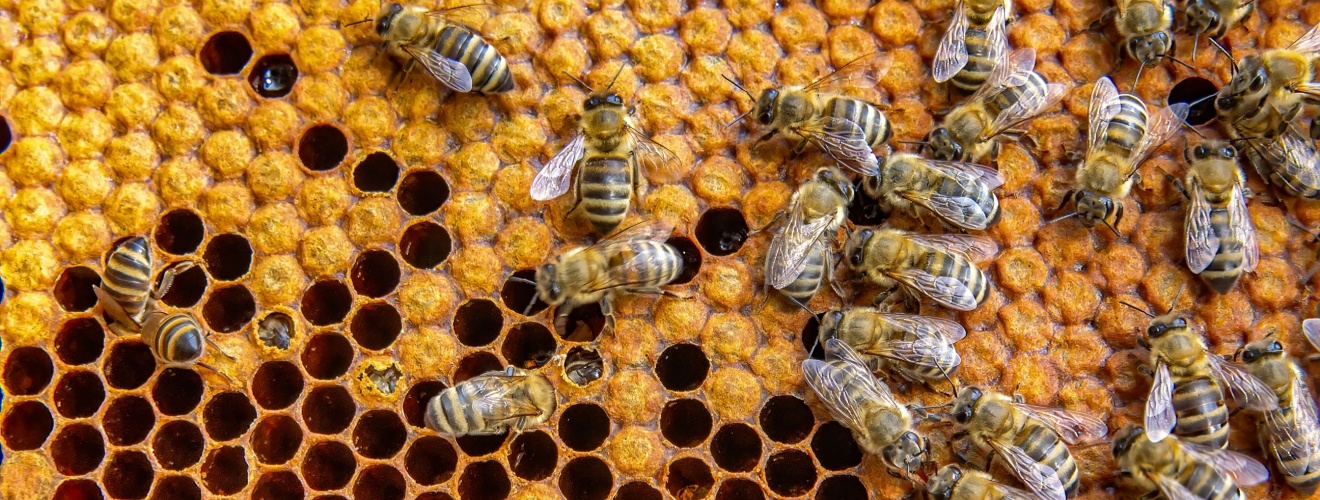
When a honeybee colony settles on a property, homeowners in Los Angeles County generally face a choice between two approaches: extermination or humane removal. The two methods produce very different outcomes for your home and for the bees. Understanding how each one works helps you make an informed decision when a colony needs to go.
What Extermination Involves
Extermination uses pesticides to kill the colony in place. For bees nesting in the open, this ends the immediate presence of the bees, though it also destroys a colony of beneficial pollinators that could have been saved. For bees nesting inside a wall, roofline, or other cavity, the outcome is more complicated. Killing the bees leaves the comb, honey, and dead brood inside the structure. Over time, that material can melt and rot, producing odor and staining, and it draws in ants, rodents, and other pests. The leftover beeswax and pheromones can also attract new swarms to the same location, which means the problem can return even after the original colony is gone. Because the cavity is never opened and cleaned, the homeowner is often left with a hidden mess and an entry point that remains open to the next swarm.
What Humane Removal Involves
Humane removal focuses on taking the colony out alive. A trained technician locates the colony, removes the bees with specialized equipment designed to avoid injuring them, and extracts the comb and honey from the cavity. The area is then cleaned, treated to eliminate the scent that attracts bees, and sealed so a future colony cannot move in. When the colony is inside a structure, the affected section is repaired afterward so the home is left sound. The bees themselves are relocated to a managed hive or handed over to a local beekeeper, where they can continue to live and pollinate. This approach addresses the bees and the material they leave behind in a single, thorough process, and the sealing step closes the entry point so the same cavity is far less likely to host another colony. The homeowner is left with a clean, repaired space rather than a sealed-off hive.
Why the Difference Matters in Southern California
Honeybees are valuable pollinators that support gardens, orchards, and local agriculture. While honeybees are not an endangered species, removing a colony alive is the more responsible choice when it can be done safely, because it preserves a productive colony and avoids the damage that comes with leaving dead bees and comb inside a structure. Extermination can also appear less expensive at first, yet the cleanup, repairs, and repeat visits that often follow can add up to more than a complete removal would have cost.
There are cases where live relocation is not possible, such as when a colony is highly defensive or located where it poses an immediate safety risk. In those situations, treatment may be used as a last resort. Whenever the circumstances allow, the priority is live removal and relocation.
BeeCal Pest Management built its services around humane, environmentally responsible bee removal, and our team has spent over a decade handling colonies throughout Los Angeles County. If bees have settled on your property and you want them removed without destroying the colony, contact us for a free quote.