

Warehouse Pest Control Starts at the Doors, Docks, and Storage Zones
Warehouses create pest opportunities because they involve constant movement. Trucks arrive, doors open, pallets move, inventory is stored, packaging accumulates, and large spaces may have areas that are rarely disturbed. Rodents, cockroaches, ants, flies, birds, spiders, and stored product pests can take advantage of these conditions.
Rodents are one of the biggest concerns in warehouse and distribution environments. Mice and rats may enter through dock doors, roll-up doors, gaps under pedestrian doors, wall penetrations, pipe openings, damaged seals, and exterior vegetation. Once inside, they may travel along walls, pallet racks, storage rooms, break rooms, and hidden utility paths.
BeeCal Pest Management provides warehouse pest control focused on prevention, monitoring, and facility conditions. We inspect exterior access, storage practices, dock areas, break rooms, trash zones, and the perimeter so pest activity can be detected early and addressed strategically.
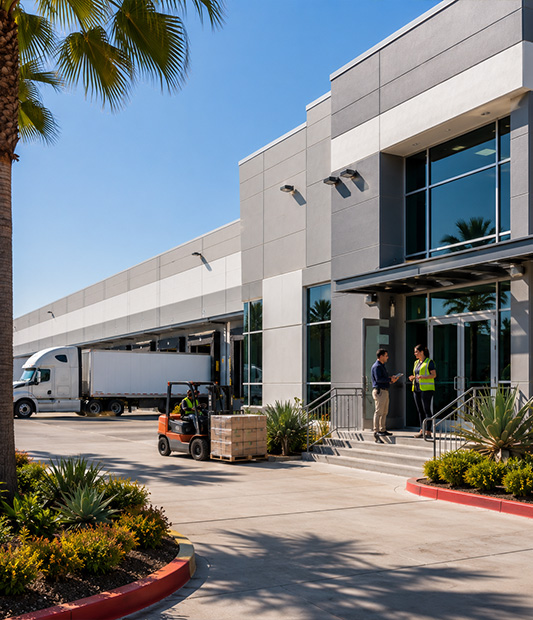
Ask about rodent monitoring and dock door inspections for warehouse and distribution facilities.
Pest Management Solutions for Warehouse Operations
Warehouse pest control requires a building-wide approach that considers inventory flow, exterior access, storage practices, employee areas, and loading operations.


Warehouse Pest Control
Recurring pest management for storage buildings, logistics facilities, industrial sites, fulfillment centers, and distribution hubs.


Rodent Monitoring & Control
Monitoring strategies for dock areas, interior walls, exterior perimeters, storage zones, and high-risk access points.
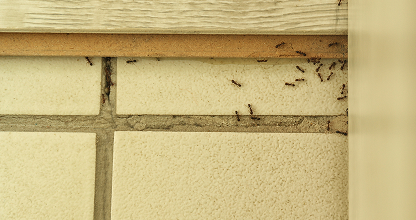

Dock Door & Entry Point Review
Inspection of roll-up doors, dock seals, pedestrian doors, utility openings, wall gaps, vents, and exterior cracks.


Stored Product Pest Support
Inspection and recommendations for pests associated with stored goods, packaging, dry materials, inventory, and long-term storage.


Bird & Pigeon Support
Help with birds around loading docks, rooflines, beams, rafters, signage, exterior ledges, and open warehouse doors.


Cockroach & Ant Control
Targeted support for pests around break rooms, restrooms, storage areas, floor drains, trash zones, and employee spaces.
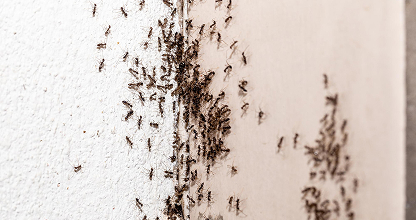

Exterior Perimeter Protection
Inspection and service around landscaping, vegetation, drainage, trash areas, wall gaps, lighting, and building perimeters.


Documentation & Service Reporting
Service notes, pest findings, monitoring details, and recommendations for facility managers and operations teams.
Warehouse Pest Control Serving Los Angeles County
Warehouses and distribution facilities in Los Angeles County often operate in busy industrial corridors, commercial parks, mixed-use zones, and high-traffic logistics areas. These properties may have frequent deliveries, open dock doors, large storage areas, employee break rooms, exterior dumpsters, neighboring businesses, and constant movement of materials.
That movement creates pest risk. Rodents may enter during receiving. Birds may fly into open dock areas. Cockroaches may show up near break rooms, drains, and utility spaces. Ants may move in from exterior landscaping. Stored product pests may become a concern when dry goods, packaged materials, or inventory sit for long periods.
A warehouse pest control program should focus heavily on prevention. Treating visible pests is not enough if dock seals are damaged, doors are left open, pallets are stored against walls, clutter hides activity, or exterior vegetation provides rodent cover.
BeeCal Pest Management inspects warehouses by functional zones. We look at loading docks, receiving areas, storage racks, inventory rooms, break areas, restrooms, utility rooms, exterior walls, trash areas, and the building perimeter. This helps identify where pests are entering, where they may hide, and what facility conditions may be increasing risk.
For facility managers, pest control is also about operational continuity. A pest problem can damage inventory, delay shipments, create employee concerns, affect customer requirements, and lead to sanitation or quality control issues. BeeCal helps managers stay ahead of these problems through recurring service, monitoring, documentation, and clear recommendations.
Whether you operate a warehouse, distribution center, fulfillment facility, industrial storage building, wholesale operation, or logistics property, BeeCal can help develop a pest control program that supports your facility and workflow.

Key Areas We Monitor in Warehouses & Distribution Centers

Loading Docks & Roll-Up Doors
Dock doors are one of the highest-risk pest entry points. BeeCal checks seals, gaps, door sweeps, thresholds, and areas where pests may enter during deliveries.
Pallet Racks & Storage Zones
Large storage areas can hide pest activity. We inspect wall lines, corners, pallet positions, long-held inventory, packaging debris, and low-traffic spaces.
Break Rooms & Employee Areas
Food, trash, sinks, vending machines, lockers, and storage can attract ants, roaches, flies, and rodents.
Trash, Recycling & Exterior Waste Areas
Dumpsters, cardboard, compactors, pallets, and waste storage can attract rodents, flies, birds, cockroaches, and wildlife.
Utility Rooms & Mechanical Areas
Pipe penetrations, floor drains, moisture, wall gaps, and low-traffic spaces can become pest access or harborage points.
Exterior Perimeter & Vegetation
Rodent activity often begins outside. BeeCal reviews landscaping, drainage, weeds, wall gaps, lighting, fence lines, and exterior storage.
Our Warehouse Pest Control Process
Facility Review
BeeCal starts by learning about the warehouse layout, dock activity, storage practices, pest history, employee areas, inventory type, and service expectations.
Dock, Storage & Perimeter Inspection
We inspect loading areas, dock doors, storage zones, racks, break rooms, utility areas, trash zones, exterior walls, and perimeter conditions.
Rodent Monitoring & Pest Risk Mapping
BeeCal identifies high-risk rodent routes, entry points, pest activity zones, exterior pressure areas, and monitoring locations.
Targeted Service & Facility Recommendations
We provide service where needed and recommend corrective actions related to door seals, storage practices, sanitation, exclusion, exterior debris, and vegetation.
Ongoing Monitoring & Reporting
Recurring service helps track activity, document findings, monitor stations, and support facility managers with practical follow-up recommendations.
Why Warehouses Choose BeeCal
- Pest control for warehouses, logistics facilities, storage buildings, and distribution centers
- Rodent monitoring and entry point recommendations
- Dock door, roll-up door, and exterior perimeter inspections
- Support for rodents, birds, ants, cockroaches, flies, spiders, and stored product pests
- Service notes and recommendations for facility managers
- Eco-conscious treatment options whenever possible
- Scheduling options designed around operations, shipping, receiving, and facility access
Warehouse Pest Control Across Los Angeles County
BeeCal Pest Management provides pest control for warehouses, logistics centers, storage buildings, and distribution facilities throughout Pasadena, Los Angeles County, and nearby Southern California communities.
Frequently Asked Questions About Warehouse Pest Control
What pests are common in warehouses?
Common warehouse pests include rodents, birds, cockroaches, ants, flies, spiders, stored product pests, and occasional wildlife activity around exterior areas.
Why are dock doors a major pest concern?
Dock doors open frequently and may have gaps, damaged seals, or exposed thresholds that allow rodents, insects, and birds to enter.
Do warehouses need rodent monitoring?
Yes. Rodent monitoring is important because rodents can enter through small openings, travel along walls, and hide near storage areas or inventory.
Can pests damage inventory?
Yes. Rodents, birds, insects, and stored product pests can damage packaging, contaminate materials, and create operational concerns.
Can BeeCal inspect exterior storage areas?
Yes. BeeCal can inspect pallets, debris, dumpsters, equipment, vegetation, and storage areas around the building perimeter.
How often should warehouses receive pest control?
Frequency depends on facility size, activity level, inventory, pest history, dock activity, surrounding conditions, and customer requirements.
Can service be scheduled around operations?
BeeCal can discuss scheduling options based on shipping, receiving, access requirements, and operating hours.
Does BeeCal provide service documentation?
Yes. BeeCal can provide service notes, monitoring updates, pest findings, and recommendations for facility managers.
Protect Your Inventory, Facility, and Operations
Warehouse pest control should focus on prevention, monitoring, entry points, and operational risk. BeeCal Pest Management is ready to help warehouses and distribution centers throughout Pasadena, Los Angeles County, and surrounding Southern California communities.